UK CBAM starts in 2027.
Do you cross £50,000?
From 1 January 2027, importers of in-scope steel, aluminium and other goods worth £50,000 or more in 12 months must register with HMRC and keep emissions records for each consignment. Exporters to the EU meet CBAM through their customers.
Team service. CBAM readiness is a service from our team, scoped with you. We do not file returns or handle customs.
UK CBAM at a glance
Team service- Start
- 1 January 2027
- Sectors
- Aluminium, cement, fertiliser, hydrogen, iron and steel
- Register when
- In-scope imports reach £50,000 in 12 months, or you expect £50,000 within 30 days
- First deadlines
- Register by 31 January 2028; first return and payment by 31 May 2028
- EU side
- Definitive period since 1 January 2026, with a 50-tonne a year de minimis per importer
Source: GOV.UK, CBAM guidance and policy summary (updated 9 Sep 2026); European Commission, Access2Markets.
What CBAM asks, and of whom
In the UK the duty sits with the importer of record. In the EU it sits with your customer.
Who it applies to in the UK
- Whoever is the importer of record for in-scope goods.
- You must register once imports in the previous 12 months reach £50,000, checked on the first day of each month, or if you expect £50,000 within the next 30 days.
- Imports before 1 January 2027 do not count.
- Goods include all of Chapter 72, headings 7301 to 7311, 7318 fasteners, 7326 and aluminium 7601 to 7616. Scrap is excluded.
Source: GOV.UK, CBAM guidance; goods within the iron and steel sector.
What it asks for
- Register with HMRC.
- Keep records of the embodied emissions of each consignment, from verified supplier data or default values.
- File returns and pay. The first accounting period is calendar 2027, and returns are quarterly from 2028.
- HMRC may charge a penalty if you register late or not at all.
Source: GOV.UK, CBAM guidance and policy summary.
If you export to the EU
- The EU importer carries CBAM, not the UK exporter.
- Customers importing more than 50 tonnes a year need installation-level emissions data from you, or they pay on default values.
- The UK and EU agreed in May 2025 to work towards linking their emissions trading systems. A link would let goods from each side qualify for exemption from the other's CBAM, but it must be agreed and in force first. As at 7 September 2026, negotiations were still under way.
Source: European Commission, Access2Markets; Council of the EU, press release, 13 November 2025; GOV.UK, UK ETS policy overview, updated 7 September 2026.
Dates to know
EU definitive period
In force
EU importers above the de minimis threshold must be authorised CBAM declarants.
Source: European Commission, Access2Markets
UK CBAM starts
Coming
Imports from this date count towards the £50,000 test.
Source: GOV.UK, CBAM guidance
First-year registration
Coming
In CBAM's first calendar year, businesses have until this date to register.
Source: GOV.UK, CBAM guidance
First return and payment
Coming
Due five months after the first accounting period, calendar 2027. Quarterly returns follow, the first due 31 July 2028.
Source: GOV.UK, CBAM policy summary
When would you need to register?
Move the slider to your average monthly imports of in-scope goods.
Steel, aluminium and the other goods on the UK CBAM list
£6,000
On 1 October 2027 your imports in the previous 12 months reach £54,000, so you must register. In the first year, registration is open until 31 January 2028.
Illustrative, for orientation only. Who is the importer of record decides who carries the duty, so check your own import arrangements. Source: GOV.UK, “Work out the date you’ll need to register for CBAM” and “Goods within the iron and steel sector”.
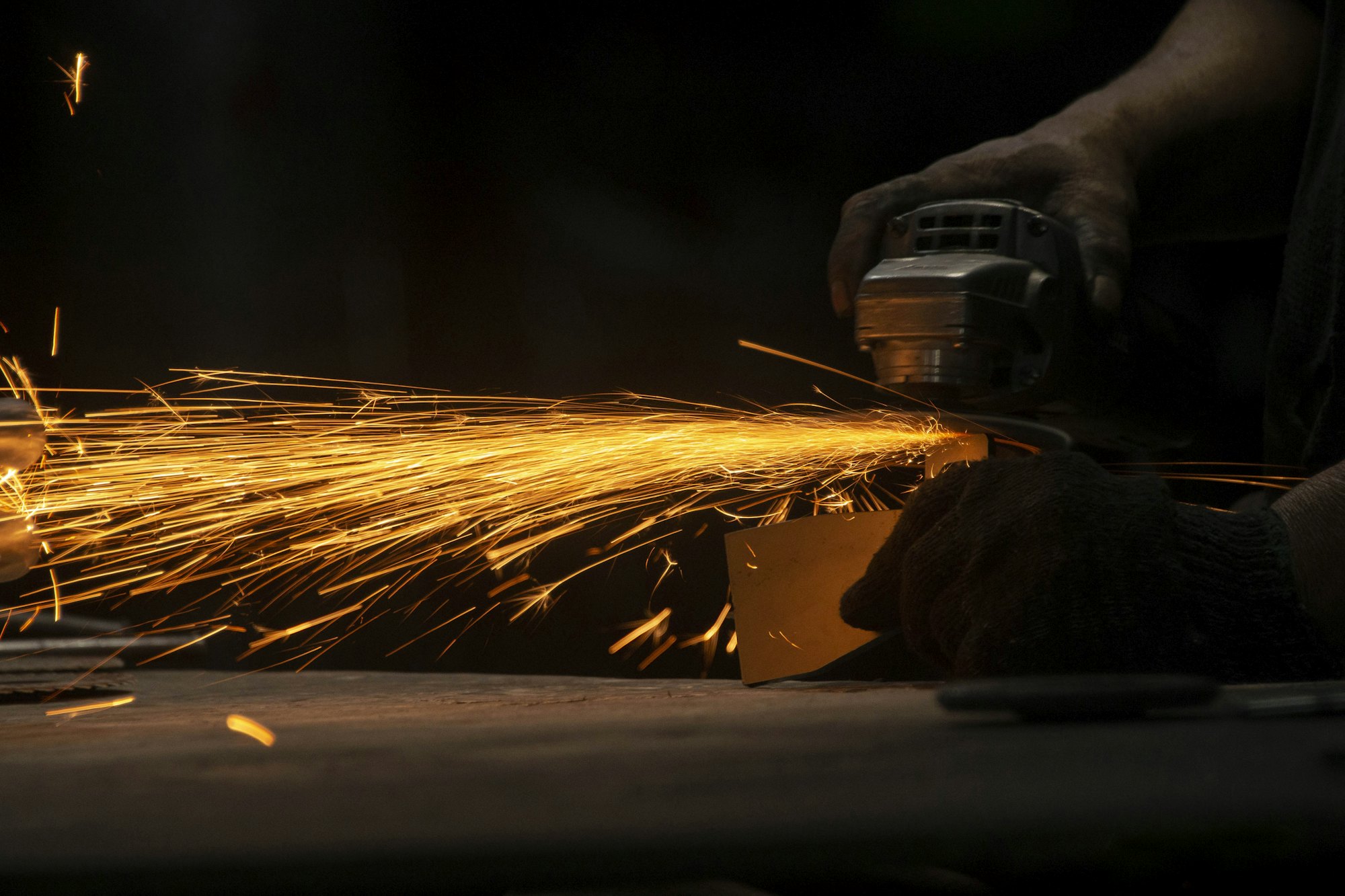
Imported steel is common in West Midlands workshops
The UK threshold is low enough to reach small fabricators, and EU customers are already asking for installation data.
Threshold
£50,000 a year is a low bar
A 20-person fabricator that buys steel from overseas mills can reach £50,000 of imports in a year.
Source: ESGen research on Birmingham manufacturers, 27 Sep 2026, using GOV.UK thresholds
Data
The figure comes from the producing plant
Records use verified data from your supplier's installation, or default values where you have none.
Source: GOV.UK, CBAM policy summary
Customers
EU buyers need installation data
EU customers importing more than 50 tonnes a year pay on default values if a supplier cannot provide installation data.
Source: European Commission, Access2Markets
Importer
Check who imports in your name
Whoever is the importer of record carries the duty. Stockists who import on your behalf can change who that is.
Source: GOV.UK, CBAM guidance
How our team helps you prepare for UK CBAM
Check your imports
We go through a year of purchase records with you to find in-scope goods by commodity code, and who the importer of record is.
Work out the timing
We show when your rolling 12-month total would reach £50,000.
Ask suppliers for data
We draft the request for installation emissions data that your overseas suppliers need to answer.
Hand over to your customs agent
Registration, returns and payment sit with you and your customs agent. We give them organised records.
What ESGen does for CBAM
CBAM work is a team service, scoped with you. The platform does not calculate embedded emissions for imported goods.
In the platform
Your own footprint
Live in the platform, and useful alongside CBAM.
- Scope 1 and 2 from UK electricity, gas, diesel, petrol and staff-car miles
- Evidence library and calculation log
- A sign-off lock for each reporting period
Evidence library
Plant A, 2026
- Electricity bills, Jan to Dec.pdf
- Gas bills, Jan to Dec.pdf
- Fuel card statements.pdf
With our team
UK CBAM readiness
Scoped with you as a service.
- Find in-scope goods in your purchase records
- Work out when the £50,000 test is met
- Draft supplier requests for installation emissions data
- Explain what an EU customer's CBAM request needs
Outside what we do
What we do not do
These sit with you, your customs agent or a specialist.
- Register, file CBAM returns or handle customs
- Pay CBAM or buy certificates
- Verify installation emissions
- Give legal or customs advice
Learn more about carbon at the border

CBAM questions, answered
Could not find your answer? Talk to our team or email contactus@esgen.co.uk.
Sources
Rules change. We checked these sources in September 2026. Confirm your own position with your advisers before you rely on them.
- 1.GOV.UK, Carbon Border Adjustment Mechanism collection
- 2.GOV.UK, Work out the date you'll need to register for CBAM
- 3.GOV.UK, Goods within the iron and steel sector
- 4.GOV.UK, CBAM policy summary (updated 9 Sep 2026)
- 5.European Commission, Access2Markets: start of the CBAM definitive period
- 6.Council of the EU, Council greenlights negotiations on linking emissions trading systems (13 November 2025)
- 7.GOV.UK, UK Emissions Trading Scheme: a policy overview (updated 7 September 2026)
- 8.ESGen research, requirements for Birmingham manufacturing SMEs (27 Sep 2026)
Know your CBAM date before 2027 starts
Send us a year of purchase records and we will tell you whether, and when, UK CBAM reaches you.